


 Artwork Deco Mumbai Belief
It was at a landmark structure exhibition in Paris in 1925 that the Artwork Deco aesthetic first exploded on the scene.
Within the 100 years since, the glamorous constructing model – evocative of neon-lit jazz bars and the golden age of massive movement footage – quickly unfold all over the world.
It moved from the well-known pastel resort facades of Miami’s South Seashore to the sprawling necklace of mansion residences alongside Mumbai’s Marine Drive seafront.
Artwork Deco’s distinct motifs – typified by geometrical ziggurats (step towers), sweeping curves, sunburst designs, nautical parts and round or turreted rooftops – symbolised an unequivocal break from the previous, celebrating the daybreak of a brand new, unabashed, post-war twentieth Century fashionable age.
In a short while, the model transcended structure to affect the design sensibility of residence interiors, furnishings, fonts, jewelry and a number of the world’s most iconic cinema halls – from Radio Metropolis Music Corridor in New York Metropolis to Regal, Liberty and Eros cinemas in Mumbai.
“It represented hope, optimism and pace, coinciding with the emergence of the motor automobile and likewise concrete as a constructing materials, which compared with stone, may very well be labored with in a tenth of the time and fifth of the fee,” Atul Kumar, founding father of the Artwork Deco Mumbai Belief and curator of a brand new exhibition celebrating the centenary of Artwork Deco within the metropolis, informed the BBC.
“It was not elaborate like Victorian Gothic design that preceded it, and got here with a classicism and ease that has survived the check of time,” he stated.
And nowhere has that been extra obvious than in Mumbai, which, in keeping with Mr Kumar, is residence to the world’s largest documented assortment of Artwork Deco buildings. Different estimates put Mumbai within the second spot behind Miami.
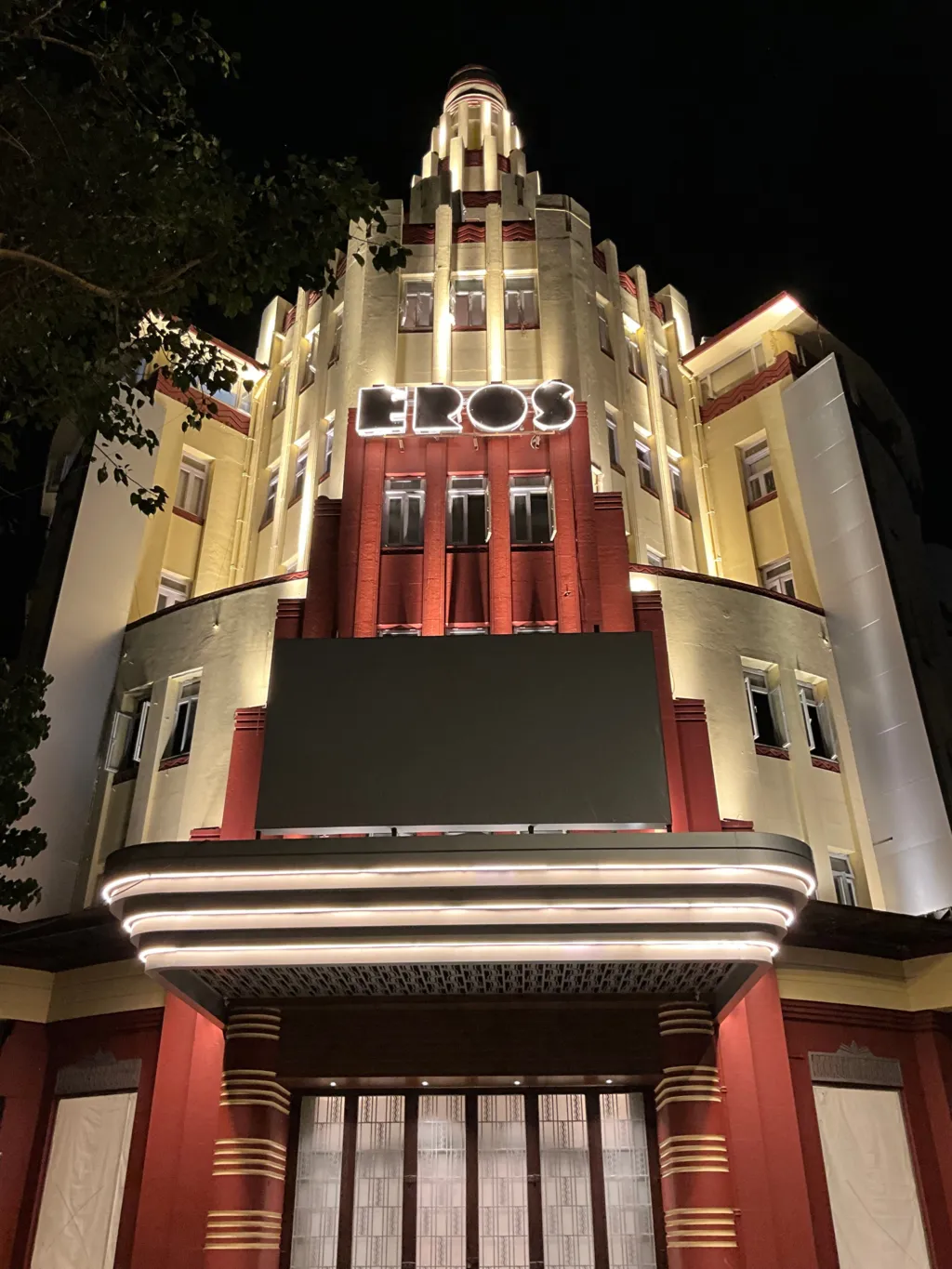 Artwork Deco Mumbai Belief
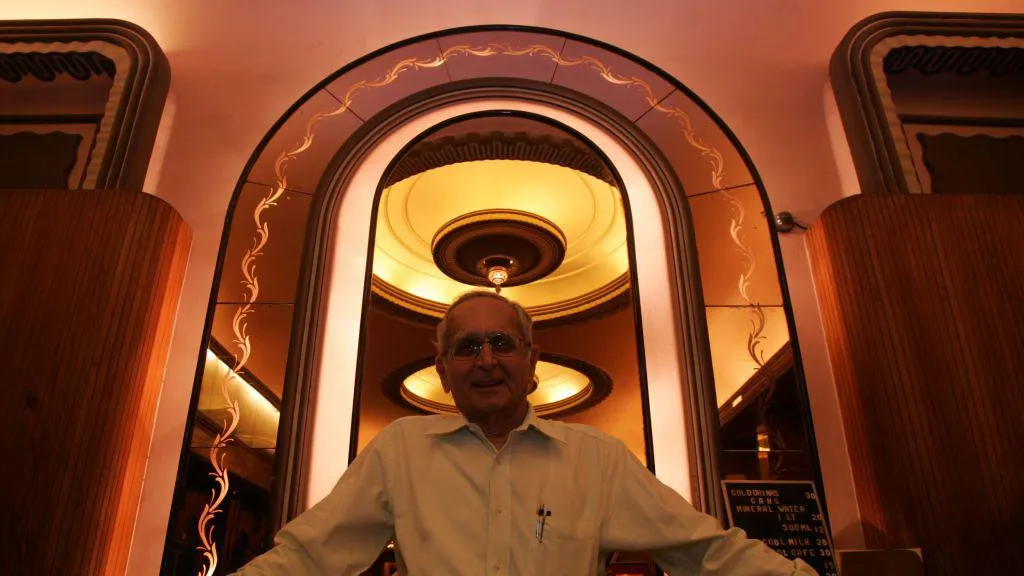 Getty Pictures
What made Mumbai’s tryst with Artwork Deco notably fascinating was how the town embraced its hallmarks in a really all-encompassing method.
Similar to Miami, the model emerged within the metropolis at a time of financial flux and transformation, spurred by its fashionable, mercantile port-city power.
However not like Miami the place it “arrived as a projection of leisure or spectacle”, in Mumbai the “model resonated throughout numerous constructing typologies, together with faculties, cinemas, bungalows, petrol stations and banks,” Mr Kumar stated.
Artwork Deco buildings in Mumbai had been, and nonetheless typically are, hidden in plain sight, with even their occupants typically blissfully unaware of their cultural moorings.
However their all-pervading architectural shadow over the town is probably why Artwork Deco is “seeped into the bigger public creativeness, and stays related in Mumbai’s emotional quotient”, Mr Kumar added.
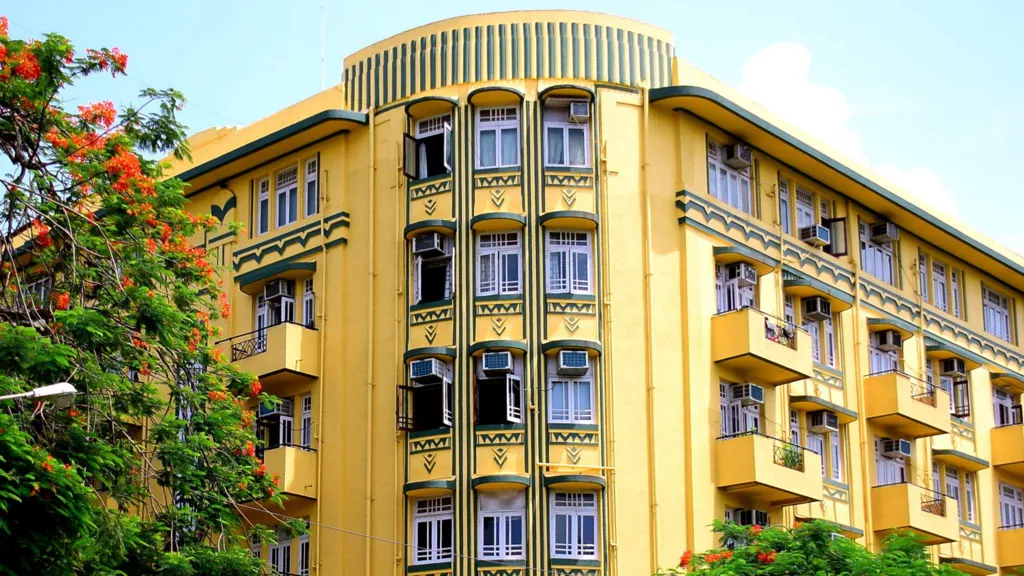 Artwork Deco Mumbai Belief
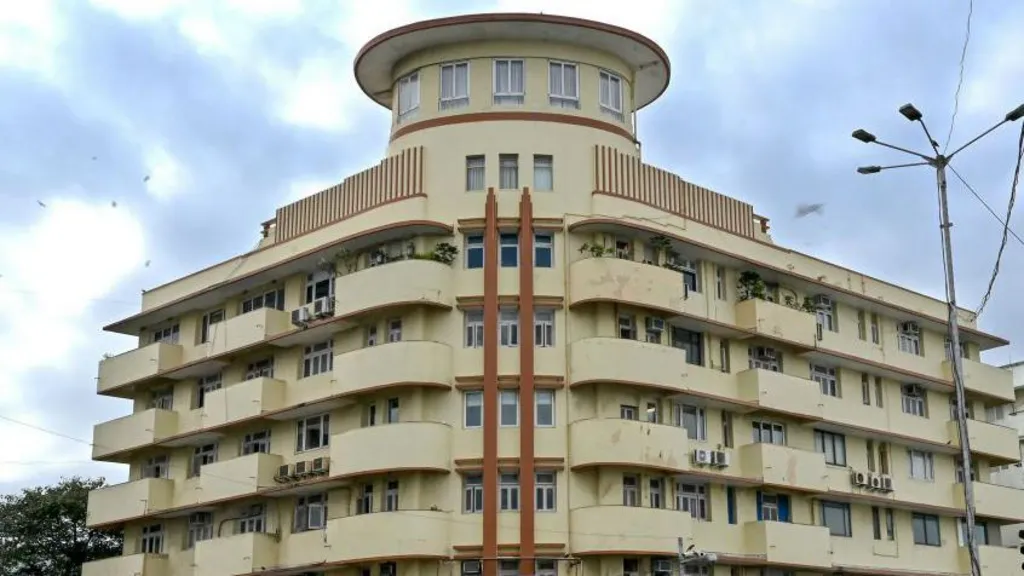 Getty Pictures
The model was delivered to Mumbai at a time when it was underneath colonial rule.
It was India’s first bunch of home-grown architects – pivotal figures like Chimanlal Grasp, Laxman Vishnu Sathe and Gopalji Mulji Bhuta – who built-in it into their designs after returning residence with levels from the Royal Institute of British Architects in London.
“They had been all of a sudden uncovered to new European sensibilities and wished to deliver them again to their nation, which was deeply colonised by the imposition of Victorian buildings,” Mr Kumar stated.
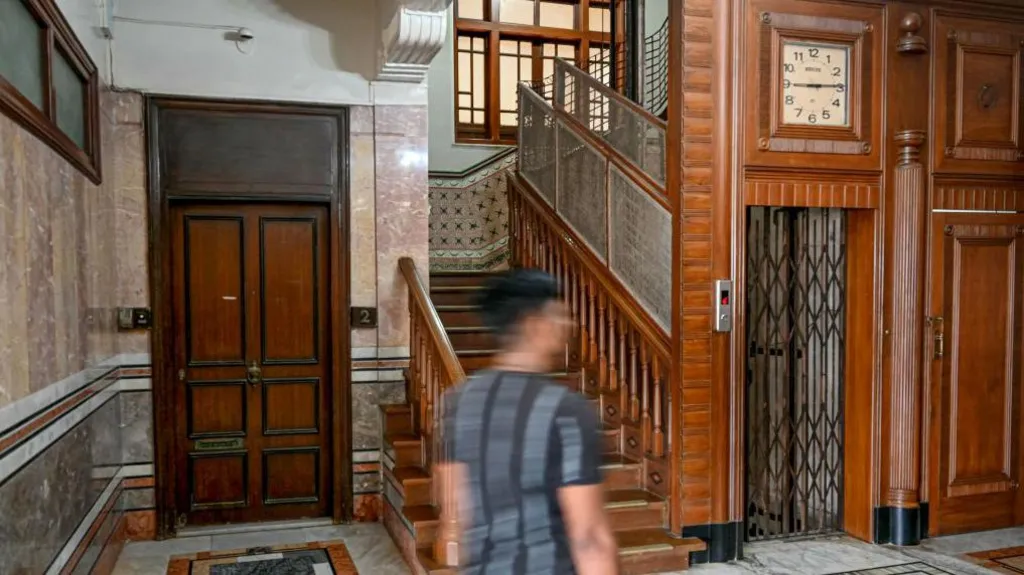 Getty Pictures
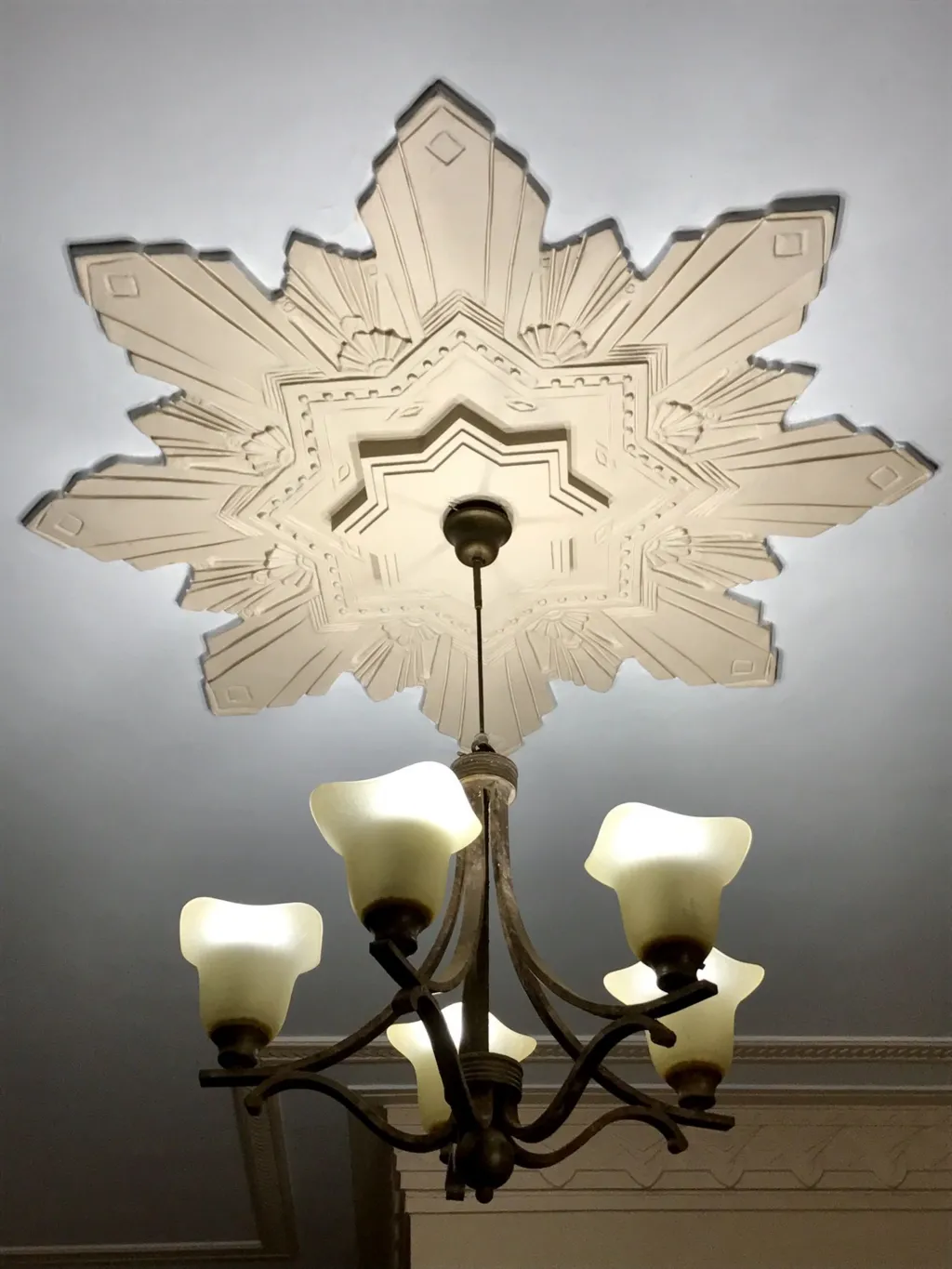 Moorthy’s Furnishings
However they tailored Artwork Deco and vernacularised it, throwing in native design patterns, drawing inspiration from disparate native parts together with ocean liners docked at Mumbai’s ports and even lattice screens which might be so typical of Mughal structure.
The British had been initially dismissive, calling Artwork Deco “lesser structure”, however had been presumably threatened, stated Mr Kumar, because it signalled the daybreak of a brand new age and of recent identities that had been shaping India’s public areas.
It was solely a matter of time earlier than South Mumbai’s skyline would turn out to be a wealthy confluence of Indo-Saracenic, Gothic and Artwork Deco buildings.
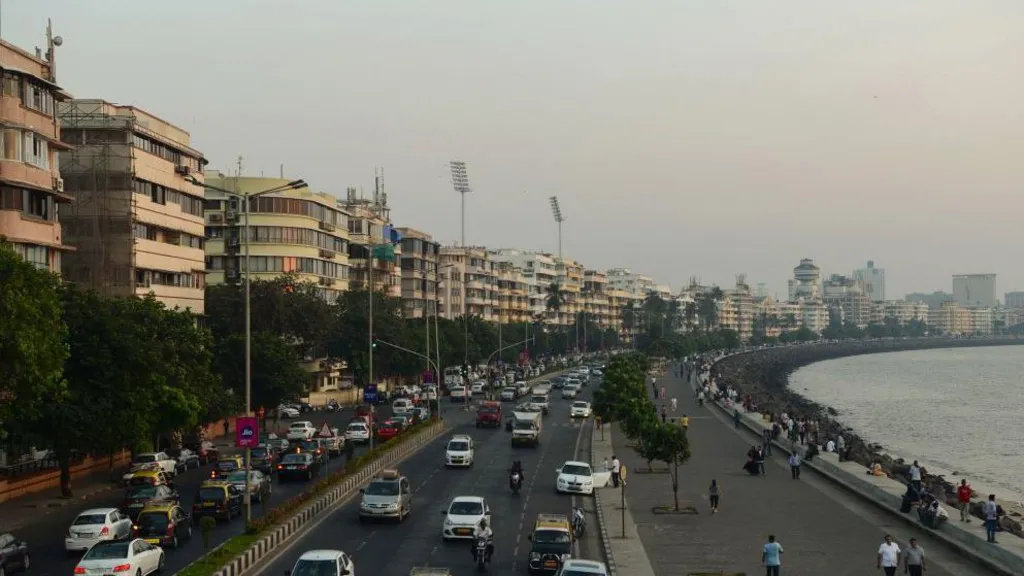 Getty Pictures
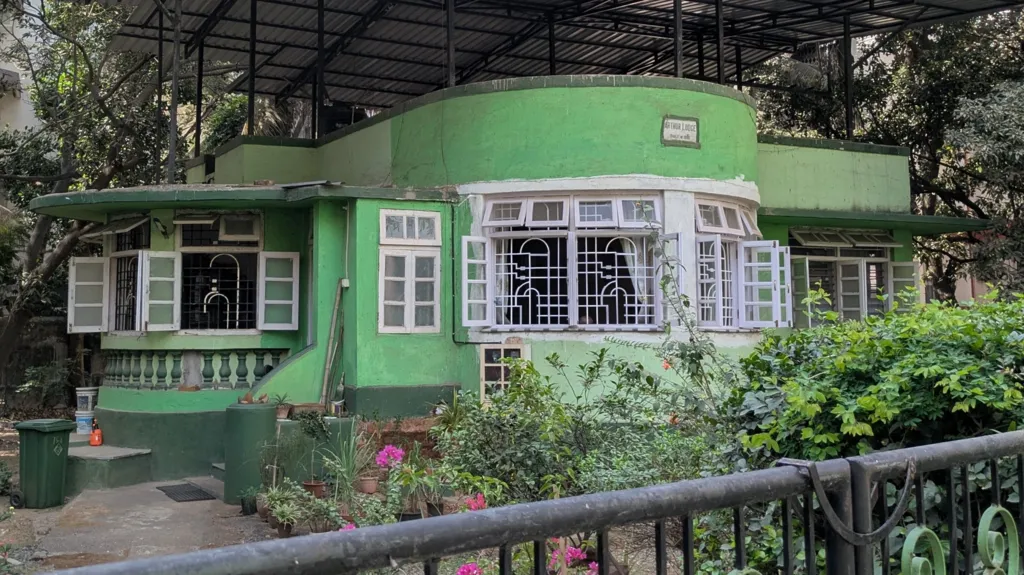 Artwork Deco Mumbai Belief
At the moment, Mumbai is but once more a metropolis in speedy flux – its constructing code ruled by actual property moguls making an attempt to maximise the ground house index, giving solution to utilitarian moderately than stylistic concerns.
Dozens of Artwork Deco buildings have been erased to offer solution to glass and metal facades, and lots of extra are underneath risk.
Over the previous decade, Mr Kumar has documented greater than 1,500 buildings which might be actually consultant of the model, however solely 70-odd of these are protected.
Authorities are apathetic to their preservation, so his organisation is participating straight with individuals, providing pro-bono restore and restoration consultancies to stop them from giving freely their properties to builders for redevelopment.
“The response has been constructive as individuals have seen the worth of their actual property go up after the renovations,” stated Mr Kumar.
Then there are others, like architect and designer Nidhi Tekwani, who’s re-imagining Artwork Deco objects and hoping to adapt them for a up to date context.
For instance, Artwork Deco furnishings was typically cumbersome, its gentle fittings had been meant for prime ceilings, and its dressing tables too elaborate for as we speak’s compact residences. Ms Tekwani goals to design and launch merchandise which might be sleeker whereas preserving core Artwork Deco ideas.
“The hope is to translate it to one thing fashionable and well-fitting of our present life-style necessities,” stated Ms Tekwani of her efforts to maintain Artwork Deco a residing custom in a metropolis that is remaking itself between one blink and the following.
Observe BBC Information India on Instagram, YouTube, X and Fb.
